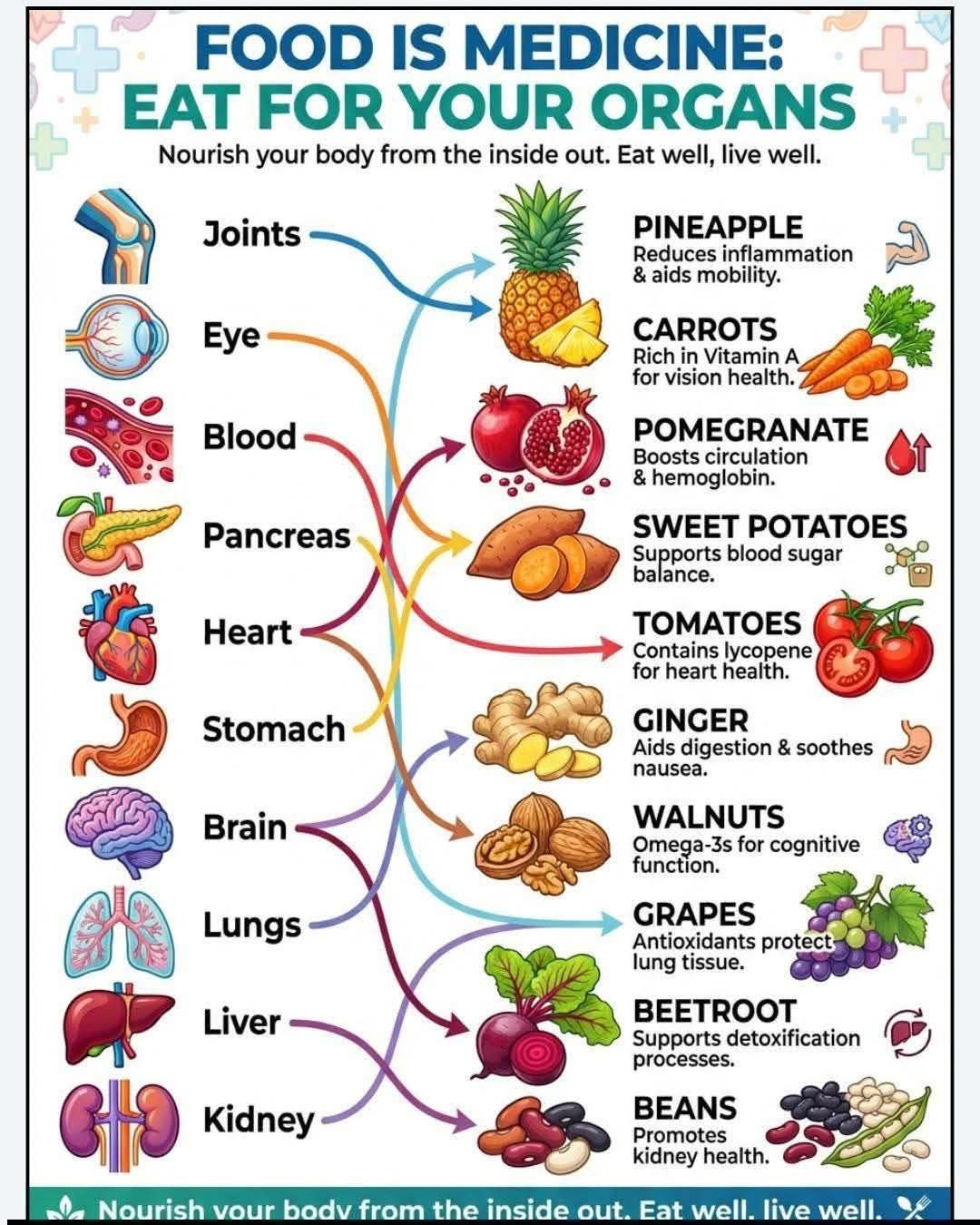
Eating a balanced diet is crucial not just for maintaining general health, but also for supporting specific organs in the body. Each organ has unique nutritional needs that can be met with certain foods, enhancing their function and improving overall wellness.
For joint health, consider pineapple. Its natural anti-inflammatory properties help reduce swelling, which can lead to improved mobility. Adding this tropical fruit to your diet may ease the burden on your joints, especially for those with arthritis.
Eyes are essential for navigating the world, and incorporating carrots into your meals can significantly support vision health. Rich in Vitamin A, carrots can help prevent night blindness and protect against age-related vision deterioration.
Boosting blood health is essential, and pomegranates are a delicious way to do it. This vibrant fruit increases circulation and boosts hemoglobin levels, which is vital for transporting oxygen throughout the body.
The pancreas plays a key role in blood sugar regulation, and sweet potatoes can be beneficial in this regard. Packed with fiber and nutrients, they help stabilize blood sugar levels, making them an excellent choice for those looking to maintain balanced energy levels.
Heart health is supported by tomatoes, which contain lycopene, a powerful antioxidant. Regular consumption may lower the risk of heart disease by preventing plaque buildup in arteries.
For digestive health, ginger is a remarkable ally. It aids digestion and can soothe nausea, making it a go-to remedy for upset stomachs.
The brain benefits from walnuts, which are rich in omega-3 fatty acids. These fats are essential for cognitive function, potentially reducing the risk of neurodegenerative diseases.
Lungs can also benefit from a diet rich in grapes. Their antioxidants help protect lung tissue from damage and support respiratory health.
Beetroot is fantastic for liver function, aiding in detoxification proce